Neuroplasticity
The role of Neuroplasticity in motor recovery
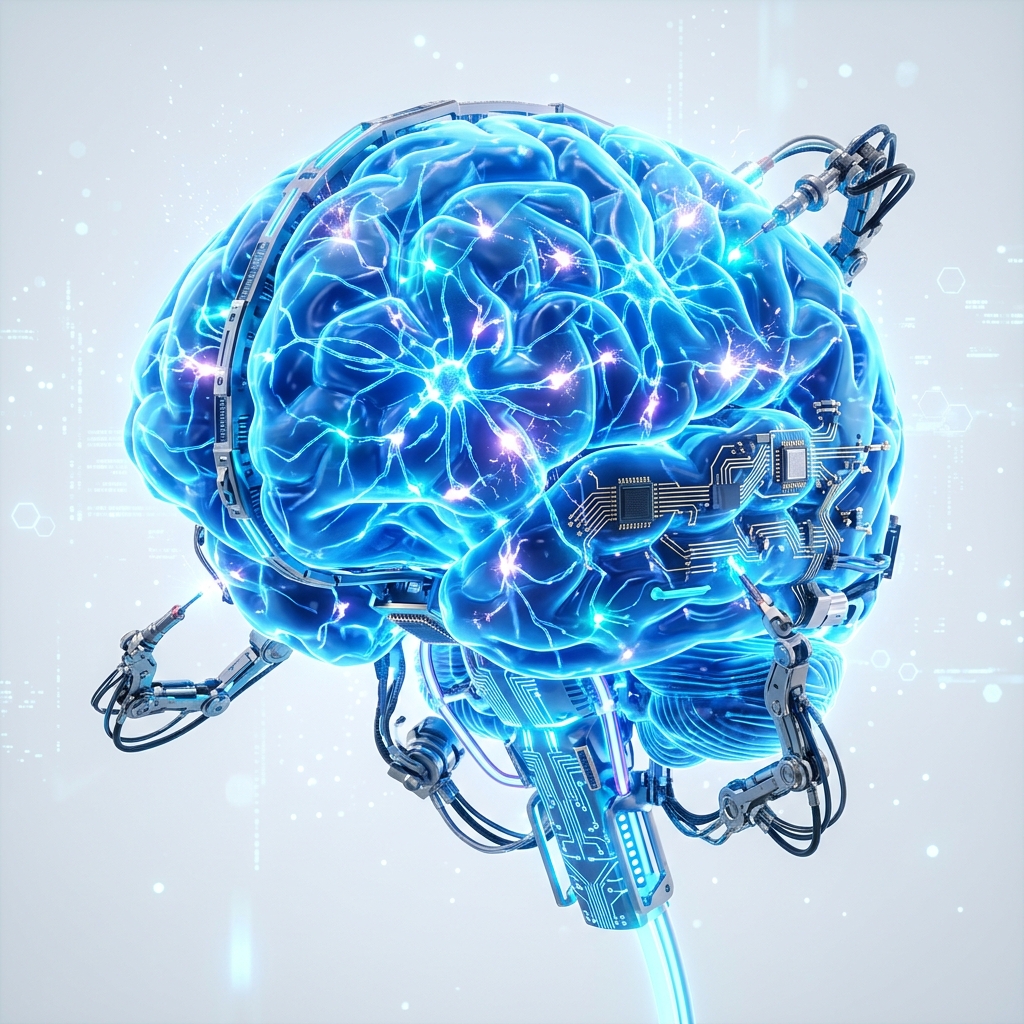
The Role of Neuroplasticity in Motor Recovery
Neuroplasticity is the brain's remarkable ability to reorganize itself by forming new neural connections throughout life. This phenomenon allows the neurons in the brain to compensate for injury and disease and to adjust their activities in response to new situations or changes in their environment.
Why it Matters in Rehabilitation
When a neurological event like a stroke occurs, certain pathways in the brain may be damaged, leading to loss of motor function. Through neuroplasticity, the brain can potentially bypass these damaged areas, assigning the lost functions to healthy regions.
However, this rewiring doesn't happen automatically. It requires evidence-based, repetitive task training. By continually practicing specific movements, patients send a strong signal to the brain, encouraging the growth of new synaptic connections.
At Savatronic Healthcare Technologies, our devices are built specifically to harness neuroplasticity by making repetitive training engaging and measurable, thus maximizing the potential for motor recovery.